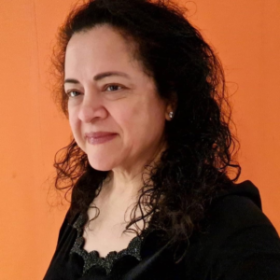

I am an Integrative Nutrition Health coach qualified from the Institute of Integrative Nutrition in the US. By profession, I am a Coaching Psychologist and I went through a self-healing health transformation a few years ago. I coach people to lead healthy and vibrant lives, with my six-month Integrative Living program. Because I am a psychologist, for Health Coaching I focus on the mind-body, Heart and Soul of my clients. Each client is on his or her own journey and the coaching helps achieve many milestones along the say.
Social perceptions about weight have changed in the last generation. Our grandparents called fat people as “healthy” and thin people as “weak”. Given the history of mankind as nomadic hunter gatherers, storing fat in the body during good times when food was plenty, was a good buffer to draw upon in lean winter seasons when food was scarce. So, a fat person was considered healthier because he could draw upon the stored energy in the form of fat when there was nothing to eat. Today, we lead sedentary jobs and there is plenty of food around (mostly) and a premium on health and good looks and being vitally active with lean body mass is a desirable state.
It wasn’t so, when I was young, but now, everybody is concerned about their weight. The global weighing scales market is estimated at 3.7 Billion US Dollars and growing at more than 3% per annum….. there is a desire to have a weighing scale in the house, and now every individual in the house wants their own weighing scale linked to a mobile app that tracks progress or lack of it.
Everybody dreams of seeing a particular number on their weighing scale, they work hard to maintain it, sometimes it is like a losing battle and weight just keeps creeping on. Diet programs, nutritionists all have created a weight measuring pandemic which appears to be increasing and there seems to be no vaccination for it.
So, is there a link between body weight and health? In this blog, I will share with you, my perspective on this, so hopefully all who read will go away with some questions about the way they have been thinking about their weight so far….
Today, physicians take your weight-height ratio and call it Body Mass Index or BMA. A BMI of under 18 is classified as under-weight, 19-24 is normal weight, 25-29 is overweight, and more than 30 is obese.
As an Integrative Nutrition Health Coach, I can definitely say that the BMI measure is hopelessly imperfect! It does not give you any idea of how much of your weight is healthy and how much is not. Some people have a smaller frame or larger frame (they call it ectomorph, mesomorph and endomorph for small, medium and large frames) and the BMI does not account for your basic body frame.

The BMI and weight measure which are the most common ways of classifying body weight types do not distinguish between muscle mass, body fat, visceral fat, subcutaneous fat, belly fat, and where in the body is the fat stored. It also does not account for increased weight on account of chronic inflammation especially in the case of lifestyle diseases like diabetes, obesity, cardiovascular disease, asthma etc.
So, once you know how inadequate a measure of body weight is in predicting your state of health, you can look at a holistic perspective on body weight rather than view it as just a number.
So, if you are overweight, rather than getting caught up in losing weight, if you are really concerned about your health, you will know that the way forward is to increase your lean muscle mass and lose fatty mass. Muscle mass weighs much more than fat mass, volume to volume. So, there is another trend of focusing on measuring your body in inches rather than in kilograms. Height-waist ratio in inches gives an idea about how much belly fat you have. According to this measure, your waist needs to be half your height measurements to stay within healthy parameters, in addition to how much you weigh and what is your BMI.
Technology helps us track some more body weight parameters with new weighing scales that also scan your body to measure muscle mass, subcutaneous fat, and visceral fat. Some scanning scales also tell you your fat distribution on your arms, legs and trunk (or belly). So these measures also now need to be kept in mind when assessing body weight.
Aspects of diet help target weight-loss in times of obesity epidemics as we are seeing nowadays. Some diets help lose visceral fat (which is the bad fat in and around your organs like liver, pancreas, gall bladder and kidneys), some diets help in losing subcutaneous fat, should that be your goal. Mostly as a Health Coach I recommend increasing skeletal muscle mass through exercise and strength building targeting specific areas as we know that muscle cells are less prone to inflammation, metabolise sugar much more as compared to fat cells, and the more the muscle mass, the better are all the health parameters of the individual.
It is so unfortunate that body weight is a topic that is often surrounded by shame and guilt and feelings of low self-esteem, because of societal pressures to look a certain way even from a young age. But what is often forgotten is the fact that obesity increases the risk of heart disease, stroke, diabetes, cancer, gall bladder disease, sleep apnea, respiratory problems, arthritis, infertility, depression and so many lifestyle related disorders.
As an Integrative Nutrition Health Coach and having undergone my own health transformation, I do know that core principles of transformative, bio-individual, and permanent sustainable weight loss are fundamental to improved health on all counts.
So, body weight is linked to improved health for sure! But what is optimal body weight for you is unique to you and your journey of healing. My six-month health coaching package looks at a range of health issues you are confronting and helps you set great health goals for yourself, including the body weight goals that work for you!